Understanding the Benefits of AI Photo Editing
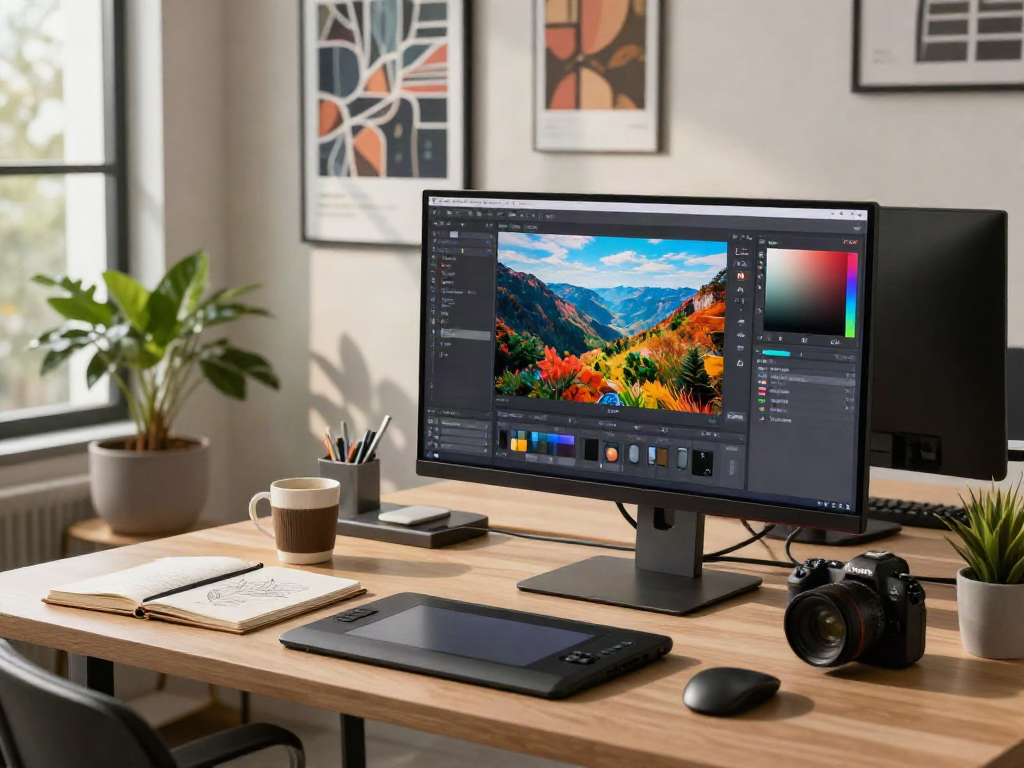
In the rapidly evolving world of digital media, the emergence of ai photo editor tools has transformed how we approach image creation and editing. These advanced software solutions harness the power of artificial intelligence to enhance, streamline, and elevate the photographic process, making it more accessible and efficient for both professional photographers and casual users alike. By leveraging machine learning algorithms, these editors can analyze images, make intelligent adjustments, and even suggest edits that align with artistic intent, paving the way for unparalleled creativity and productivity.
What is an AI Photo Editor?
An AI photo editor is a sophisticated software application that utilizes artificial intelligence technologies to automate and optimize the photo editing process. Rather than relying solely on manual adjustments, these tools can analyze images to identify elements such as lighting, color balance, and composition. By learning from vast datasets of images and editing styles, AI photo editors can make precise adjustments that improve the overall quality of the photograph. This technology not only speeds up the editing workflow but also assists users in achieving desired outcomes with minimal effort.
How AI Photo Editors Enhance Creativity
AI photo editors empower users by removing technical barriers that can stifle creativity. For instance, automated features like one-click enhancements or intelligent filters allow photographers to experiment with different styles quickly. This freedom encourages exploration and innovation, as users can focus more on their artistic vision rather than getting bogged down in the minutiae of traditional editing techniques. Moreover, AI can suggest edits based on learned preferences, thus acting as a creative partner in the editing process.
Key Features to Look for in 2026
As we look to the future, the landscape of AI photo editing will continue to evolve. Here are some key features to expect in 2026:
- Real-Time Editing: Immediate feedback and application of filters will enhance user experience.
- Enhanced AI Learning: Tools that adapt to individual editing styles and preferences.
- Integration with Other Software: Seamless connections with various design and workflow platforms.
- More Accessible User Interfaces: Even novice users will find powerful editing capabilities at their fingertips.
Common Misconceptions About AI Photo Editing
As with any cutting-edge technology, AI photo editing comes with a set of misconceptions that may hinder its adoption. Understanding these myths is crucial for users who are looking to maximize the benefits of this technology.
Separating Fact from Fiction
One common misconception is that AI photo editors will completely replace human creativity. In reality, AI serves as a tool that complements and enhances creative processes rather than replacing them. While AI can automate tedious tasks and provide suggestions, the artistic vision and choices ultimately lie in the hands of the user.
AI vs. Traditional Editing: The Real Differences
Unlike traditional editing methods, which often require extensive time and skill, AI photo editing simplifies the process through automation. Traditional editing typically involves manual adjustments like cropping, color correction, and noise reduction, which can be time-consuming. In contrast, AI tools analyze these aspects instantly, offering smart adjustments that save time while maintaining quality.
Why Some Fear AI in Creative Fields
Many creatives express concerns about the role of AI in their fields, fearing job displacement and loss of authenticity. However, these apprehensions often stem from a misunderstanding of AI's capabilities. Rather than diminishing creativity, AI can elevate it by providing tools that streamline tasks and open up new creative possibilities.
Best Practices for Using AI Photo Editors Effectively
To make the most out of AI photo editors, users should adopt best practices that enhance their workflow and maximize the effectiveness of these technologies.
Creating Optimal Settings for Different Projects
Each project may require a unique approach to editing. Familiarizing yourself with the specific capabilities of your AI photo editor can lead to optimal settings that suit various types of images, whether they are portraits, landscapes, or commercial shots. Customize presets that align with your style and project requirements.
Integrating AI Tools into Your Workflow
Incorporate AI photo editors into your existing workflow for seamless editing experiences. This could mean pairing them with other design tools to create a more unified editing process. Developing a step-by-step workflow that incorporates AI can lead to more efficient projects and improved output quality.
Enhancing Your Skills Alongside AI Technology
While AI tools take care of many aspects of editing, enhancing your photography skills remains essential. Understanding the fundamentals of photography and composition will allow you to use AI tools more effectively, enabling you to evaluate AI edits critically and adjust them to fit your vision.
Real-World Applications of AI Photo Editing
AI photo editing is already making waves across various industries, showcasing its potential to transform marketing, e-commerce, and entertainment.
Case Study: Successful Campaigns in 2026
In 2026, brands using AI photo editing saw significant improvements in campaign effectiveness. For instance, a major fashion retailer integrated AI tools into their advertising strategy, allowing them to generate high-quality images rapidly for social media and online advertising, resulting in a 30% increase in engagement rates compared to previous campaigns.
Industry Examples of AI Integration
From e-commerce platforms to digital marketing agencies, AI photo editors have become indispensable tools. Retailers are using AI for product photography, ensuring consistent quality across thousands of images, while digital creators leverage these technologies to deliver engaging content efficiently.
How Businesses Benefit from AI Photo Editing
Businesses benefit from AI photo editing in several ways:
- Time Efficiency: Automated processes reduce editing time significantly.
- Cost Savings: Less time spent on editing translates to reduced labor costs.
- Scalability: AI tools enable businesses to scale their visual content creation without compromising quality.
Future Trends in AI Photo Editing
As technology progresses, several trends are emerging that will shape the future of AI photo editing.
Predictions for 2026 and Beyond
By 2026, we anticipate that AI photo editors will become even more sophisticated. Expect advancements in AI algorithms that improve image understanding and manipulation, making it possible for the software to perform complex edits akin to those done manually by professional editors today.
The Role of AI in Visual Storytelling
AI will increasingly play a crucial role in visual storytelling by helping creators produce compelling narratives through images and videos. With tools that understand context and aesthetic preferences, AI can assist in delivering powerful visual stories that resonate with audiences.
Emerging Technologies to Watch
As AI technology continues to advance, emerging technologies such as augmented reality (AR) and virtual reality (VR) will likely influence AI photo editing. These innovations could enable new forms of engagement and interaction with visual content, opening doors to unprecedented creative possibilities.
What are the advantages of using an AI photo editor?
Using an AI photo editor can significantly improve efficiency, enhance creativity, and reduce the technical burdens associated with manual editing. These tools enable even novice editors to produce high-quality images that resonate with professional standards.
How does AI photo editing compare to traditional methods?
AI photo editing generally offers faster results and a more intuitive user experience compared to traditional methods, which can be time-consuming and require extensive expertise. AI tools facilitate automatic adjustments and smart suggestions while allowing creative control to remain with the user.
Can AI photo editors improve my workflow?
Absolutely! By automating repetitive tasks and speeding up the editing process, AI photo editors can greatly enhance your workflow, allowing you to focus on the creative aspects of your projects.
What skills do I need to maximize an AI photo editor?
To get the most out of AI photo editors, having a foundational knowledge of photography, including composition, lighting, and color theory, is beneficial. Familiarity with the software itself is essential, as understanding its capabilities will help you refine your editing style.
Which industries benefit most from AI photo editing?
Many industries, including e-commerce, digital marketing, media, and entertainment, benefit immensely from AI photo editing. These sectors rely on high-quality visuals and quick turnaround times, making AI tools invaluable for both efficiency and quality.